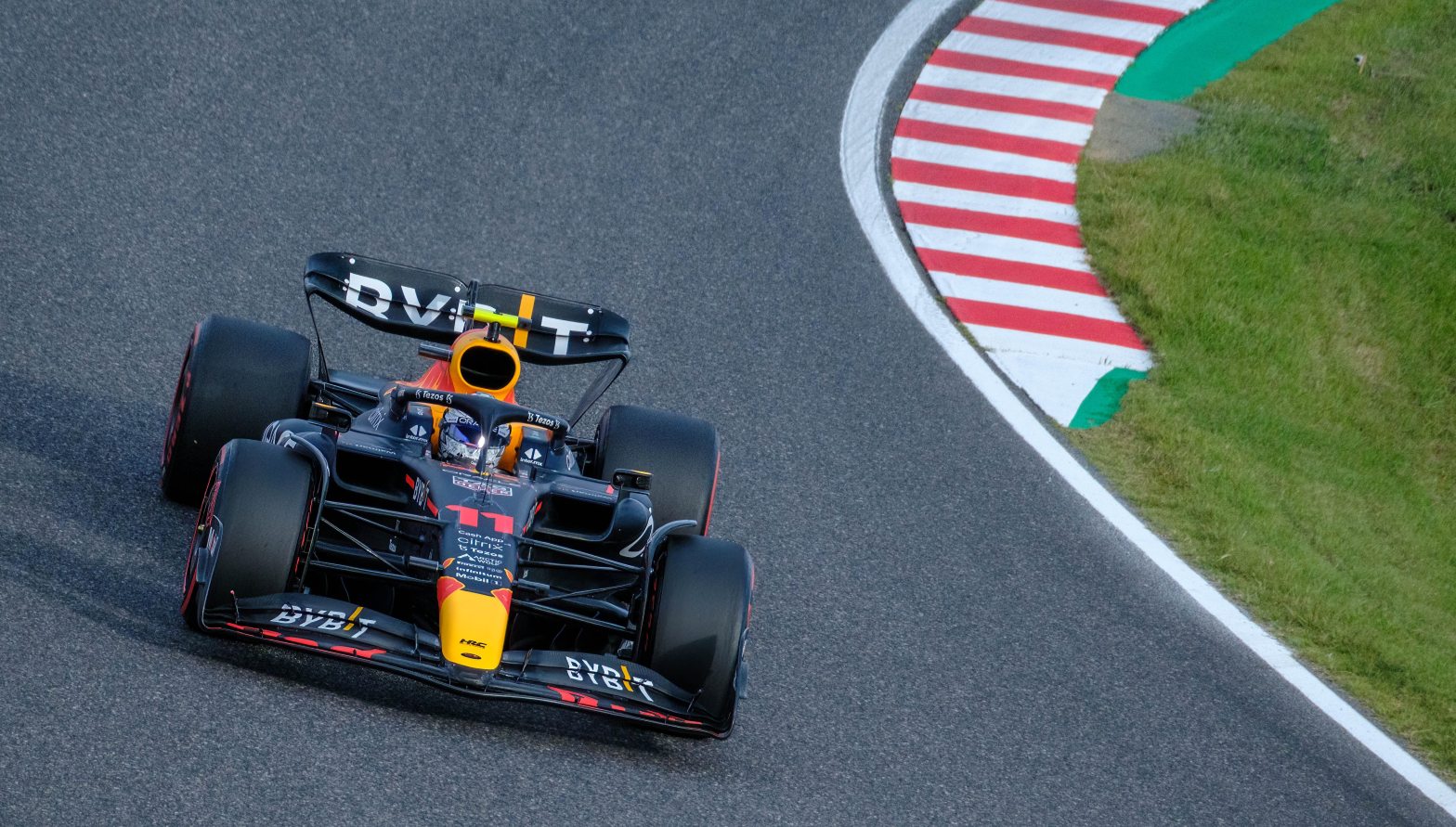
Formula 1 – the pinnacle of motorsport, where success is determined by the combination of man and machine. There is little question about the importance of driving the fastest car, and like in other sports, the raw talent and ability to make the right decision at the right time are critical. Anyone that follows the sport will know that the competitors dedicate their life to being in the best possible shape – mentally and physically, to improve their performance out on the track. But for someone that is not as familiar, it may seem strange to think of these drivers as athletes. Whatever category you as a reader find yourself in, I hope you will find this article as fascinating as I did researching it. It will discuss the physiological demands that the drivers may face, as well as the (very limited) research done on the physiological characteristics of Formula 1 drivers.
Formula 1 is regarded as the highest and most prestigious category of motorsport. Currently, there are ten teams with twenty drivers competing for the world championship in over twenty races spanning almost as many countries. In contrast to other sports, most of the drivers’ training is not sport-specific, as the current regulations only allow the drivers to drive the cars for three hours per race weekend in a practice setting. Instead, time is spent driving in a simulator and working on physical fitness to withstand the demands of Formula 1 racing.
G-forces
Any change in velocity or direction will subject the driver to acceleration forces, G-forces. 1G is the force exerted on the body in the vertical plane on planet earth. On the track, these can occur vertically induced by changes in elevation, horizontally during accelerations and braking, and laterally when cornering. The G-forces that arise during cornering are proportional to the velocity and the corner’s radius, meaning that fast sharp corners exert the greatest G-forces.1 Banked corners, which are more commonly present in other racing series such as Nascar and Indycar, enable this particular combination. The dangers of combined vertical and lateral G-forces became evident leading up to the Firestone Firehawk 600 race at the Texas Motor Speedway, in the now obsolete American CART racing series. During the preceding practice sessions, two unexplained crashes occurred with drivers reporting dizziness, nausea and vertigo. The present medical professionals suspected that the drivers had experienced excessive G-forces, which was later confirmed as one of the driver’s cars’ telemetry had registered over 3.5 Gs vertically and 5.5 Gs laterally going through a banked corner.2
The G-forces generated by a Formula 1 car are more similar to that of a fighter jet plane than a regular road car. The wings of aeroplanes are designed to generate lift; the aerodynamics of a Formula 1 car works in a similar way, but in the opposite direction – the resulting force pushes the car towards the tarmac generating downforce, causing high levels of grip and enabling extreme cornering speeds.
From a physiological perspective, resisting G-forces in the lateral and horizontal plane is amongst the greatest physical challenges for the driver-athlete. As a Formula 1 race is about 1.5 hours, consisting of repeated lateral and horizontal loading in excess of 5G on the body, particularly the neck, sufficient neck strength is critical to withstand these loads. The total mass of the head and helmet of a driver is about 6.4kg – cornering at a velocity resulting in 5Gs generates a load of approximately 32 kilograms which must be resisted by the neck muscles, hundreds of times per race.1 Already at 2-3 Gs, eyesight starts to deteriorate, which initially causes the loss of peripheral vision, and if maintained further degrades vision altogether.2
When you brake it feels like someone hitting you in the back of the head with a sledgehammer, because it’s a very violent force that comes on with a spike
David Coulthard, former Formula 1 race winner.3
Anti-G manoeuvres developed by fighter pilots are used to minimise the effects of repeated G-force loading. This includes breath-holding and tensing muscles which will stabilise the posture and head, enabling a stable gaze. It also preserves brain blood flow, which is especially important during sharp inclines or banked corners when G-forces are loaded vertically causing dizziness. If performed correctly, anti-G manoeuvres can increase the force tolerance by up to 3-4 Gs.4 Former Formula 1 driver Mark Webber described the importance of breath control as “crucial”, and failure exposes you to the risk of passing out.1,5
Neck pain is commonly reported in racing drivers with incidences >50% in Formula 1 drivers (data from the 1980s),6 with similar numbers reported in rally drivers.7 A strong and fatigue-resistant neck is therefore critical not only for gaze stability but also for injury prevention.4 Not surprisingly, the training of Formula 1 drivers is largely focused on improving neck strength, resulting in some of the strongest necks in the world of sports. For instance, Formula 1 drivers can withstand a force equivalent to 40kg from the side, the same as that of an elite Rugby Union player despite being significantly smaller.8 In comparison, normative data shows that young males can resist around 14kg and females just short of 10kg applied to the neck, laterally.9 Under braking, the neck resists the forward movement of the head. In this direction, the Formula 1 drivers can withstand around 50kg of force.10 The effects of G-forces on the body and neck were eloquently described by current Formula 1 driver Valtteri Bottas here.
Vibration
To optimise the aerodynamic grip of modern Formula 1 cars, the ride height is generally kept as low as possible with stiff suspension to minimise car body roll.11 Uneven track surfaces and bumps are effectively not absorbed and instead transmitted through the floor and into the drivers’ bodies. Going into the 2022 season, a new car concept was introduced to Formula 1. In many cases, extracting maximum performance from these led to car setups causing extreme vibrations, termed porpoising. Several drivers voiced their concerns about the potential physical and cognitive problems that could arise from this phenomenon.12
Limited research exists on the relationship between whole-body vibration and fatigue in a motorsport-specific setting.13 However, grouped analysis of extensive research supports the experiences described by drivers, as repetitive whole-body vibration negatively impacts motor control, cognition and perception,14 thereby not directly impairing the ability to physically drive the car per se, but rather reducing the information processing ability that is crucial for the split-second decision making that underlies high performance in motorsport.
Environmental stress
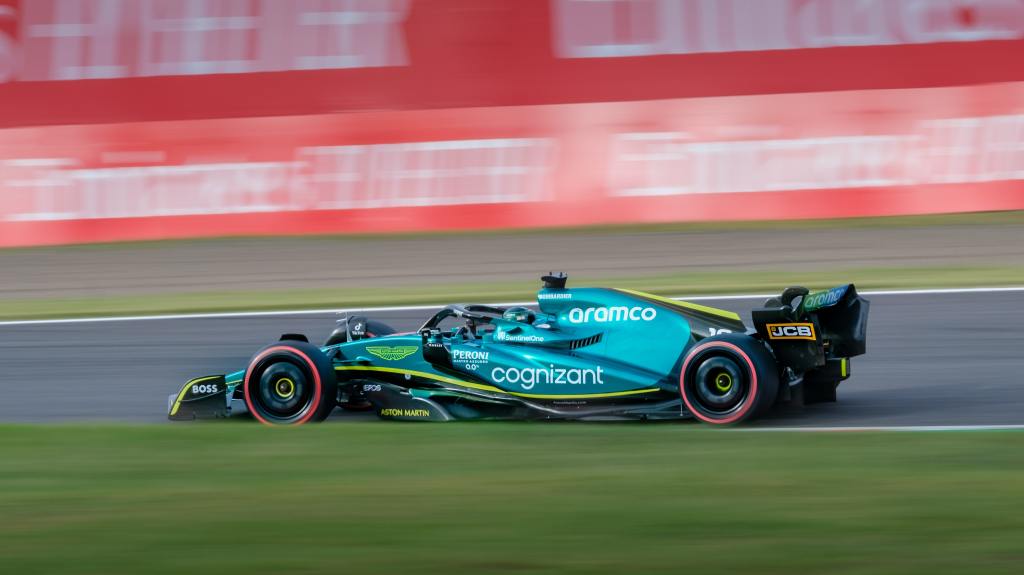
During the 2017 season, 8 out of 20 races were held in ambient temperatures exceeding 25°C.11 In hot races such as the Singapore GP, cockpit temperatures of ~60°C have been reported.15 During all races, the drivers wear fire-resistant multi-layered race overalls, gloves, balaclava, and a helmet, greatly reducing the ability to maintain a normal body temperature leading to heat stress and dehydration.1 Consequently, body weight losses of up to 5% have been reported during hot races due to sweating.16 Heat stress is a barrier to peak performance in most sports and is not unique to Formula 1. For example, in the 2020 Tokyo Olympics, the mean post-race core temperature was almost 40°C in a sample of marathon runners, and even though they consumed water throughout the race, and the average body weight loss was >3% from their initial race weight.17 The detrimental effects of heat on endurance performance are clear; more relevant for motorsport is its effect on cognitive function. A 2018 meta-analysis found that moderate dehydration (≥2% of body weight loss) impairs several components of cognitive function, including attention, executive function and coordination, all crucial for peak performance in Formula 1 racing.18
The tolerance to environmental stress also affects how well the driver can tolerate G-forces. Increased body temperature leads to a redistribution of blood to the skin in an attempt to dissipate the heat (cleverly, we sweat for that particular reason, as sweat conducts heat better than air). This redistribution of blood and loss of blood volume reduces blood pressure making it more difficult to sustain sufficient blood flow to the brain and muscles. Thereby, a higher aerobic fitness (VO2max) is generally associated with greater heat tolerance, mainly through the exercise-induced increase in blood volume. An increase in skin temperature of ∼2°C is associated with an average loss of G-tolerance of about 0.4 Gs. Similarly, dehydration causing a loss of ∼3% of the body mass have shown to reduce the tolerable time at a given G-force in half.19 Whether such deteriorations are prevented from high aerobic fitness has not been directly researched and remains speculative. It would, however, be prudent to assume that if anything, fitness levels should improve the tolerance to the aforementioned stressors.
Endurance
Aerobic fitness (as can be measured by VO2max) determines the tolerable exercise intensity and recovery rate between bouts of high-intensity exercise.20 Whilst I personally have no experience with race-car driving, and the research available is scarce, there are some studies investigating the fitness demands conducted on open-wheel racing. For example, Jacobs et al. assessed the physiological demands of seven professional drivers racing in the former CART racing series at Sebring International Raceway and found that the VO2 during push laps was almost 80% (38.5 mL/kg/min) of the drivers’ relative VO2max and about 70% (2.8 L/min) of their absolute VO2max.21 The resulting energy expenditure was similar to running at 10.5 kph. Further, the oxygen consumption increased as the lap times were reduced. As the peak G-forces were about 4-4.5G, it seems reasonable to assume that the load imposed on a driver in Formula 1 is similar or even greater.
Previous research has shown that the aerobic fitness of F1 drivers is comparable to that of professional football players (see figure below). Albeit, this data should be interpreted cautiously, as the study referred to only included 5 drivers.10

Figure 1. Maximal oxygen uptake for different populations.10,22–27
Conclusion
To summarise, Formula 1 is both a physically and cognitively demanding sport, where ample physical fitness is paramount to extract the maximum out of the car’s potential, which ultimately determines overall performance. The importance of driver fitness becomes even more critical in hot environments, on uneven surfaces, and on tracks with high-speed corners causing repeated loading of high G-forces. Nevertheless, performance in Formula 1 is dependent on the combination of car and driving ability, a well-suited physiology merely enables the car to be the limiting factor in all conditions, not the driver. If you enjoyed the article and are interested in more research about the driver-athlete, this review is an excellent starting point.
References
- Reid MB, Lightfoot JT. The Physiology of Auto Racing. Med Sci Sports Exerc. 2019;51(12):2548-2562. doi:10.1249/MSS.0000000000002070
- Potkanowicz ES, Mendel RW. The case for driver science in motorsport: a review and recommendations. Sports Med Auckl NZ. 2013;43(7):565-574. doi:10.1007/s40279-013-0040-2
- Campbell K. David Coulthard reveals what it’s like to drive a Formula 1 car. Accessed March 4, 2023. https://uk.sports.yahoo.com/news/brutal-witchcraft-really-feels-like-drive-f1-car-081246457.html.
- Pollock RD, Hodkinson PD, Smith TG. Oh G: The x, y and z of human physiological responses to acceleration. Exp Physiol. 2021;106(12):2367-2384. doi:10.1113/EP089712
- Norton C. Formula One drivers feel the G-force. Accessed March 4, 2023. https://www.telegraph.co.uk/motoring/motorsport/7681665/Formula-One-drivers-feel-the-G-force.html
- Burton AK, Sandover J. Back pain in Grand Prix drivers: a “found” experiment. Appl Ergon. 1987;18(1):3-8. doi:10.1016/0003-6870(87)90064-0
- Mansfield NJ, Marshall JM. Symptoms of musculoskeletal disorders in stage rally drivers and co-drivers. Br J Sports Med. 2001;35(5):314-320. doi:10.1136/bjsm.35.5.314
- Hamilton DF, Gatherer D. Cervical isometric strength and range of motion of elite rugby union players: a cohort study. BMC Sports Sci Med Rehabil. 2014;6:32. doi:10.1186/2052-1847-6-32
- Catenaccio E, Mu W, Kaplan A, et al. Characterization of Neck Strength in Healthy Young Adults. PM R. 2017;9(9):884-891. doi:10.1016/j.pmrj.2017.01.005
- McKnight PJ, Bennett LA, Malvern JJ, Ferguson DP. V˙O2peak, Body Composition, and Neck Strength of Elite Motor Racing Drivers. Med Sci Sports Exerc. 2019;51(12):2563-2569. doi:10.1249/MSS.0000000000001961
- Brown J, Stanton N, Revell K. A Review of the Physical, Psychological and Psychophysiological Effects of Motorsport on Drivers and Their Potential Influences on Cockpit Interface Design. In: Stanton N, ed. Advances in Human Aspects of Transportation. Advances in Intelligent Systems and Computing. Springer International Publishing; 2019:514-522. doi:10.1007/978-3-319-93885-1_46
- Cleeren F. Russell: “Only a matter of time” before dangerous F1 bouncing goes wrong. Published June 11, 2022. Accessed March 4, 2023. https://www.motorsport.com/f1/news/russell-only-a-matter-of-time-before-dangerous-bouncing-goes-wrong/10320567/
- Owen N, King H, Lamb M. Literature Review of Race Driver Fatigue Measurement in Endurance Motorsport. Procedia Eng. 2015;112:344-348. doi:10.1016/j.proeng.2015.07.260
- Conway GE, Szalma JL, Hancock PA. A quantitative meta-analytic examination of whole-body vibration effects on human performance. Ergonomics. 2007;50(2):228-245. doi:10.1080/00140130600980888
- Barretto L. FIGHT NIGHT: How brutal Singapore GP pushes drivers to the limit | Formula 1®. Accessed March 4, 2023. https://www.formula1.com/en/latest/article.fight-night-why-brutal-singapore-gp-pushes-drivers-to-the-limit.6CWlvmuJZnPFm9KbBE0Zzk.html
- Edmondson L. The physical challenge behind F1 drivers’ “love-hate” relationship with the Singapore GP. ESPN.com. Published September 21, 2019. Accessed March 4, 2023. https://www.espn.com.au/f1/story/_/id/27659392/the-physical-challenge-f1-drivers-love-hate-relationship-singapore-gp
- Racinais S, Ihsan M, Taylor L, et al. Hydration and cooling in elite athletes: relationship with performance, body mass loss and body temperatures during the Doha 2019 IAAF World Athletics Championships. Br J Sports Med. 2021;55(23):1335-1341. doi:10.1136/bjsports-2020-103613
- Wittbrodt MT, Millard-Stafford M. Dehydration Impairs Cognitive Performance: A Meta-analysis. Med Sci Sports Exerc. 2018;50(11):2360-2368. doi:10.1249/MSS.0000000000001682
- Nunneley SA, Stribley RF. Heat and acute dehydration effects on acceleration response in man. J Appl Physiol. 1979;47(1):197-200. doi:10.1152/jappl.1979.47.1.197
- Caen K, Bourgois G, Dauwe C, et al. W’ Recovery Kinetics after Exhaustion: A Two-Phase Exponential Process Influenced by Aerobic Fitness. Med Sci Sports Exerc. 2021;53(9):1911-1921. doi:10.1249/MSS.0000000000002673
- Jacobs PL, Olvey SE, Johnson BM, Cohn K. Physiological responses to high-speed, open-wheel racecar driving. Med Sci Sports Exerc. 2002;34(12):2085-2090. doi:10.1097/00005768-200212000-00033
- Pandey A, Kitzman DW, Brubaker P, et al. Response to Endurance Exercise Training in Older Adults with Heart Failure with Preserved or Reduced Ejection Fraction. J Am Geriatr Soc. 2017;65(8):1698-1704. doi:10.1111/jgs.14867
- Kaminsky LA, Arena R, Myers J. Reference Standards for Cardiorespiratory Fitness Measured With Cardiopulmonary Exercise Testing: Data From the Fitness Registry and the Importance of Exercise National Database. Mayo Clin Proc. 2015;90(11):1515-1523. doi:10.1016/j.mayocp.2015.07.026
- Baiget E, Fernández-Fernández J, Iglesias X, Rodríguez FA. Tennis Play Intensity Distribution and Relation with Aerobic Fitness in Competitive Players. PloS One. 2015;10(6):e0131304. doi:10.1371/journal.pone.0131304
- Manzi V, Impellizzeri F, Castagna C. Aerobic Fitness Ecological Validity in Elite Soccer Players: A Metabolic Power Approach. J Strength Cond Res. 2014;28(4):914. doi:10.1519/JSC.0000000000000239
- Jones AM, Kirby BS, Clark IE, et al. Physiological demands of running at 2-hour marathon race pace. J Appl Physiol Bethesda Md 1985. 2021;130(2):369-379. doi:10.1152/japplphysiol.00647.2020
- Sanders D, Heijboer M, Hesselink MKC, Myers T, Akubat I. Analysing a cycling grand tour: Can we monitor fatigue with intensity or load ratios? J Sports Sci. 2018;36(12):1385-1391. doi:10.1080/02640414.2017.1388669
Photo by James Pere on Unsplash
Updated: 07/11/2023
 THE PACE