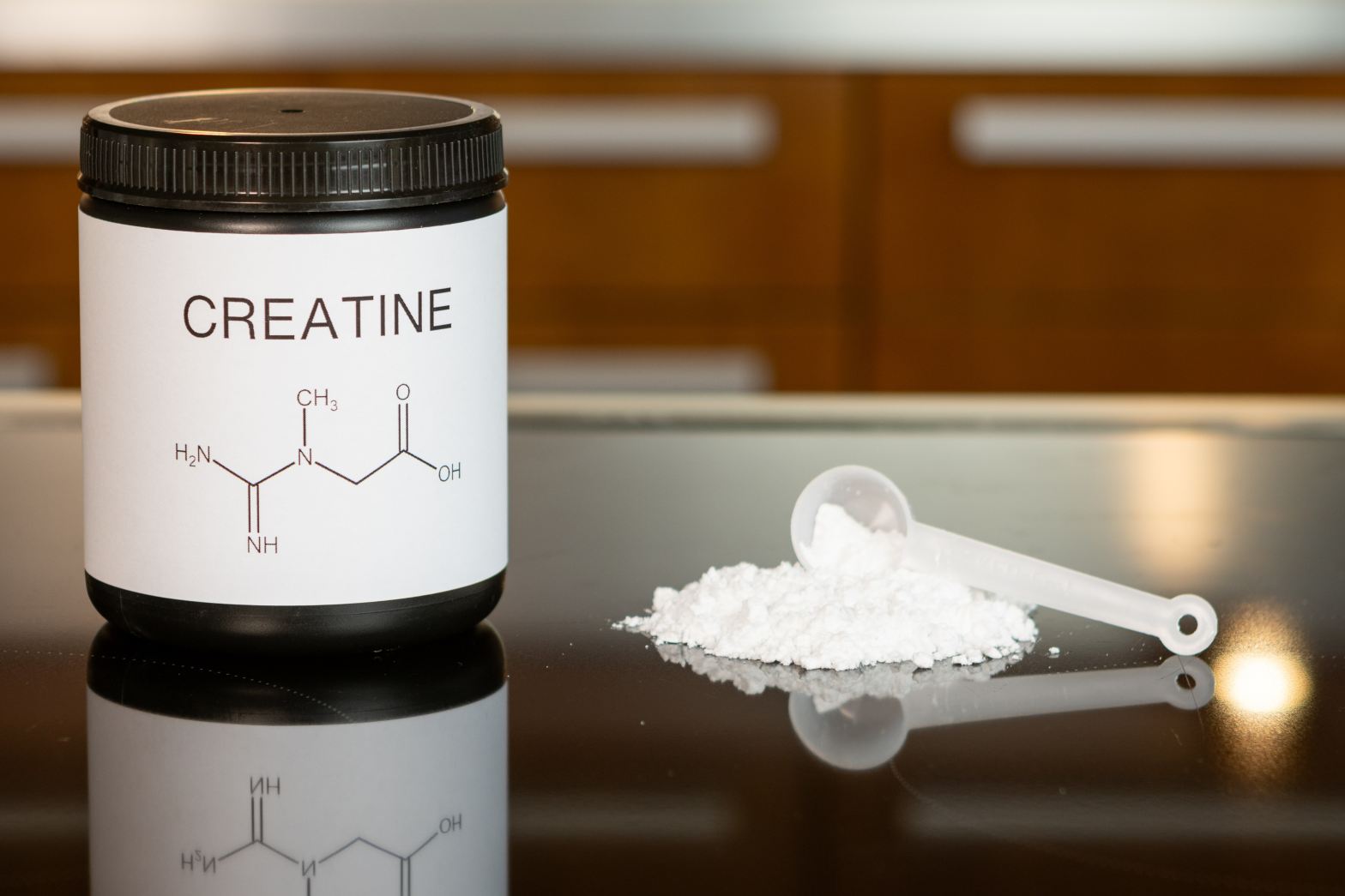
The second article in our exercise supplementation series will cover creatine. With its usage dating back to the mid-1800s,1 creatine is one of the most widely used and well-studied supplements on the market. Hereon, we will discuss its efficacy on sporting performance, and how one may use creatine in a practical setting. What is creatine?Continue reading “Exercise Supplementation Unveiled: Creatine – History, Science, and Application”
Category Archives: Health
Exercise Supplementation Unveiled: Caffeine – Genetics and Non-Responders

In the previous article, the history and utility of caffeine in different sporting contexts were described. This text will go more in-depth into the mechanisms of how caffeine can improve performance and discuss individual differences in gene variants that affect caffeine metabolism. Mechanism of action Caffeine is an adenosine receptor antagonist, meaning that it preventsContinue reading “Exercise Supplementation Unveiled: Caffeine – Genetics and Non-Responders”
Exercise Supplementation Unveiled: Caffeine – History, Science, and Application

Promises of increased training effects, faster recovery, and improved performance – the jungle of nutritional supplements can be difficult to navigate. Whether a supplement “works” is not a binary assessment and is highly dependent on the context. Attempting to provide some clarity, this article will be the first of a multi-article series to discuss theContinue reading “Exercise Supplementation Unveiled: Caffeine – History, Science, and Application”
Optimising Sleep For Athletes

Sleep has been suggested to be the best recovery tool available to increase adaptations from training and improve performance in competition.1 Healthy adults are recommended to get between 7-9 hours of sleep per night. In contrast, aspiring athletes seem to benefit from up to 9-10 hours of sleep to reach their full potential.1 Despite theContinue reading “Optimising Sleep For Athletes”
What is RED-S and Why is it Important to Talk About?

What is RED-S? Relative energy deficiency in sport (RED-S) describes a condition in which low energy availability leads to impaired physiological function.1 In simpler terms, RED-S exists when there is not enough energy available to fuel the normal functions of the human body. As a result, general health deteriorates and sporting performance weakens.2 RED-S has been adaptedContinue reading “What is RED-S and Why is it Important to Talk About?”
 THE PACE