
In the previous article, the history and utility of caffeine in different sporting contexts were described. This text will go more in-depth into the mechanisms of how caffeine can improve performance and discuss individual differences in gene variants that affect caffeine metabolism. Mechanism of action Caffeine is an adenosine receptor antagonist, meaning that it preventsContinue reading “Exercise Supplementation Unveiled: Caffeine – Genetics and Non-Responders”
Category Archives: Physiology
The Art of Sprinting: How a World-Class Sprinter Conquered the Tour de France
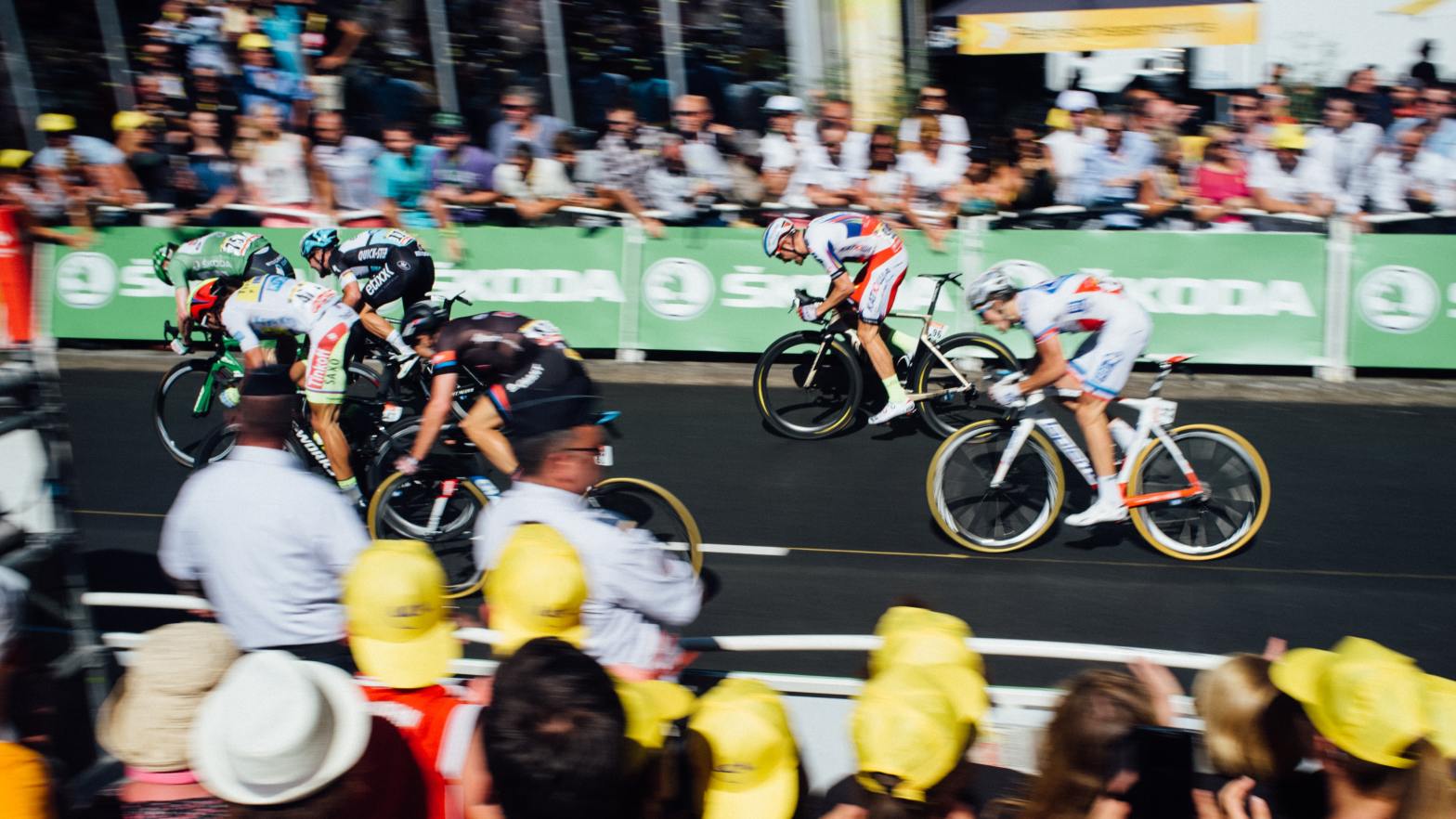
Not only was Marcel Kittel notorious for having the best hair in the peloton during his pro-cycling career, but he was also a formidable sprinter with an impressive 19 grand tour stage wins to his name. After ending his debut season with 17 race wins, his sprinting success continued to flourish throughout his career allContinue reading “The Art of Sprinting: How a World-Class Sprinter Conquered the Tour de France”
The Physiology of Formula 1 Drivers: Fitness and Performance
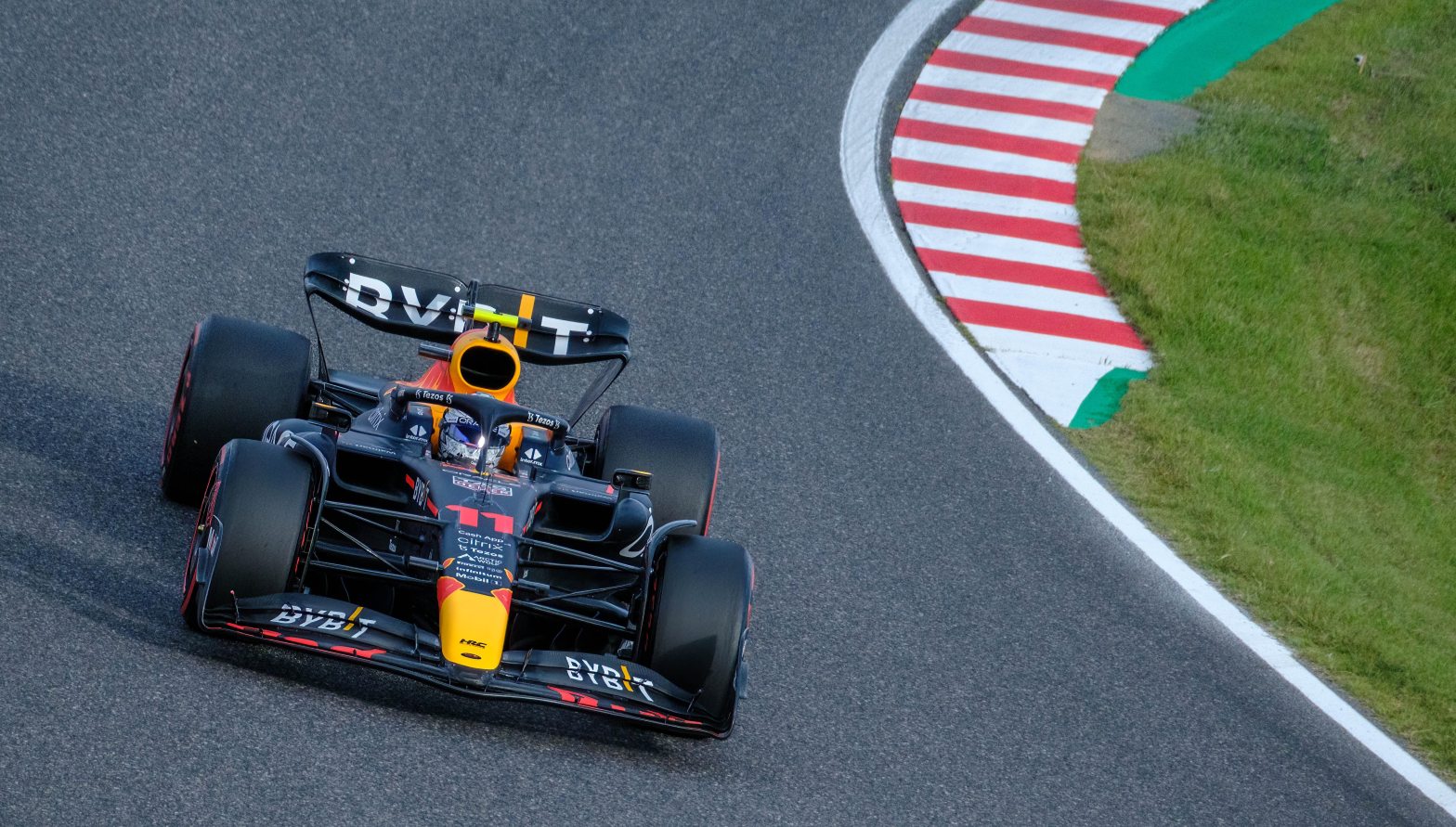
Formula 1 – the pinnacle of motorsport, where success is determined by the combination of man and machine. There is little question about the importance of driving the fastest car, and like in other sports, the raw talent and ability to make the right decision at the right time are critical. Anyone that follows theContinue reading “The Physiology of Formula 1 Drivers: Fitness and Performance”
Sex Differences in Athletes’ Sleep: Does the Menstrual Cycle Play a Role?
Sleep is arguably one of the most important tools for recovery amongst the athlete population due to its ability to influence a wide range of physiological functions.1 Despite this, sleep is evidently not prioritised, as reports show that athletes have a poorer quality of sleep compared to the general population, and often do not reachContinue reading “Sex Differences in Athletes’ Sleep: Does the Menstrual Cycle Play a Role?”
Exercise Prescription Methods – The Talk Test

When prescribing endurance training the two main variables that can be manipulated are duration and intensity. Whilst the former only requires a stopwatch, prescribing the ‘correct’ intensity can be a tricky task and ideally requires regular lab testing to determine the exercise intensity domains. Since most people do not have access to such equipment, variablesContinue reading “Exercise Prescription Methods – The Talk Test”
Breaking 2: The Physiological Requirements
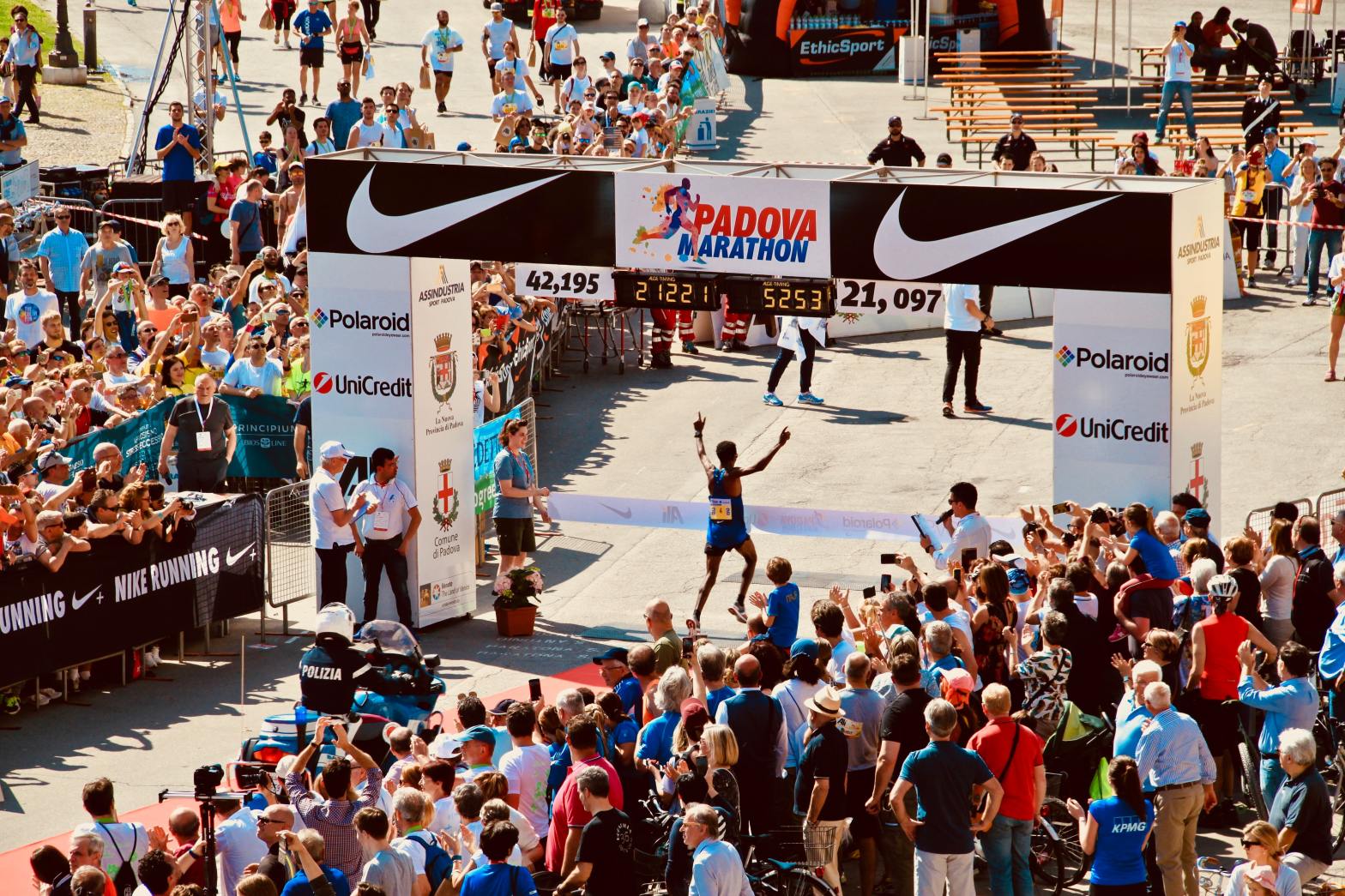
On the 12th October 2019, Eluid Kipchoge made history by becoming the first person to run a marathon in less than two hours. The Ineos 1:59 challenge saw a monumental effort to break this barrier by creating the best possible conditions for the attempt. The elements that contributed to this pioneering performance can be dividedContinue reading “Breaking 2: The Physiological Requirements”
Microgravity & The Astronaut Athlete
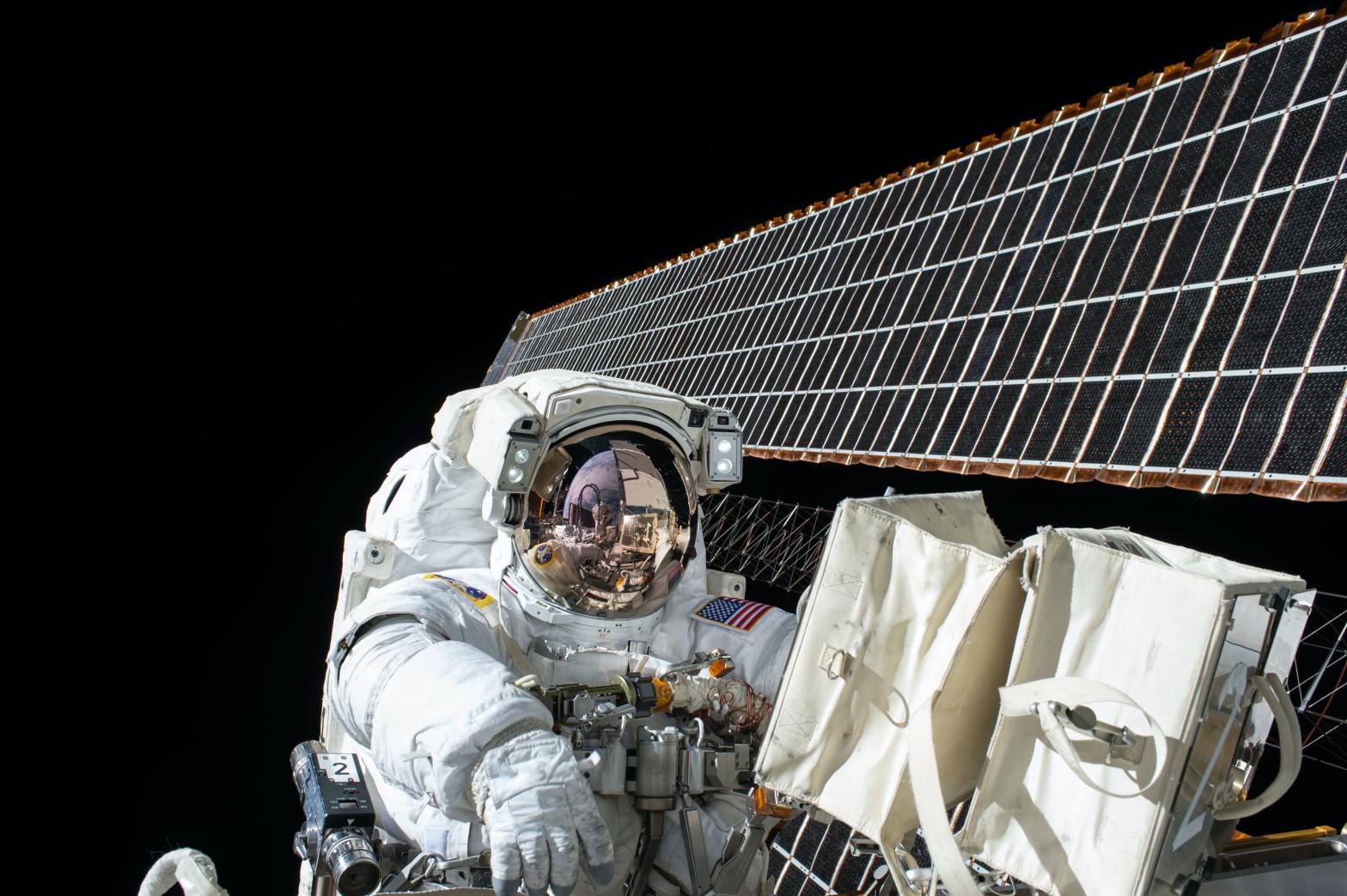
Since the beginning of space exploration, astronauts have embarked on extraordinary journeys to the most unique environments ever experienced by mankind. Despite the challenges of radiation exposure, confinement and social isolation to name a few, one aspect of spaceflight remains the most demanding: microgravity. Here on Earth the human body has adapted to an environmentContinue reading “Microgravity & The Astronaut Athlete”
What Does It Take To Run An Ultra-Marathon?

Over the last few decades there has been a huge surge in the popularity of ultra-running, with the number of participants increasing exponentially since the 1970’s.1 An ultra-marathon can be defined as a running event that is longer than 42.195km.2 Common race distances include 50km, 100km, 50 miles or 100 miles, however they can alsoContinue reading “What Does It Take To Run An Ultra-Marathon?”
Optimising Sleep For Athletes
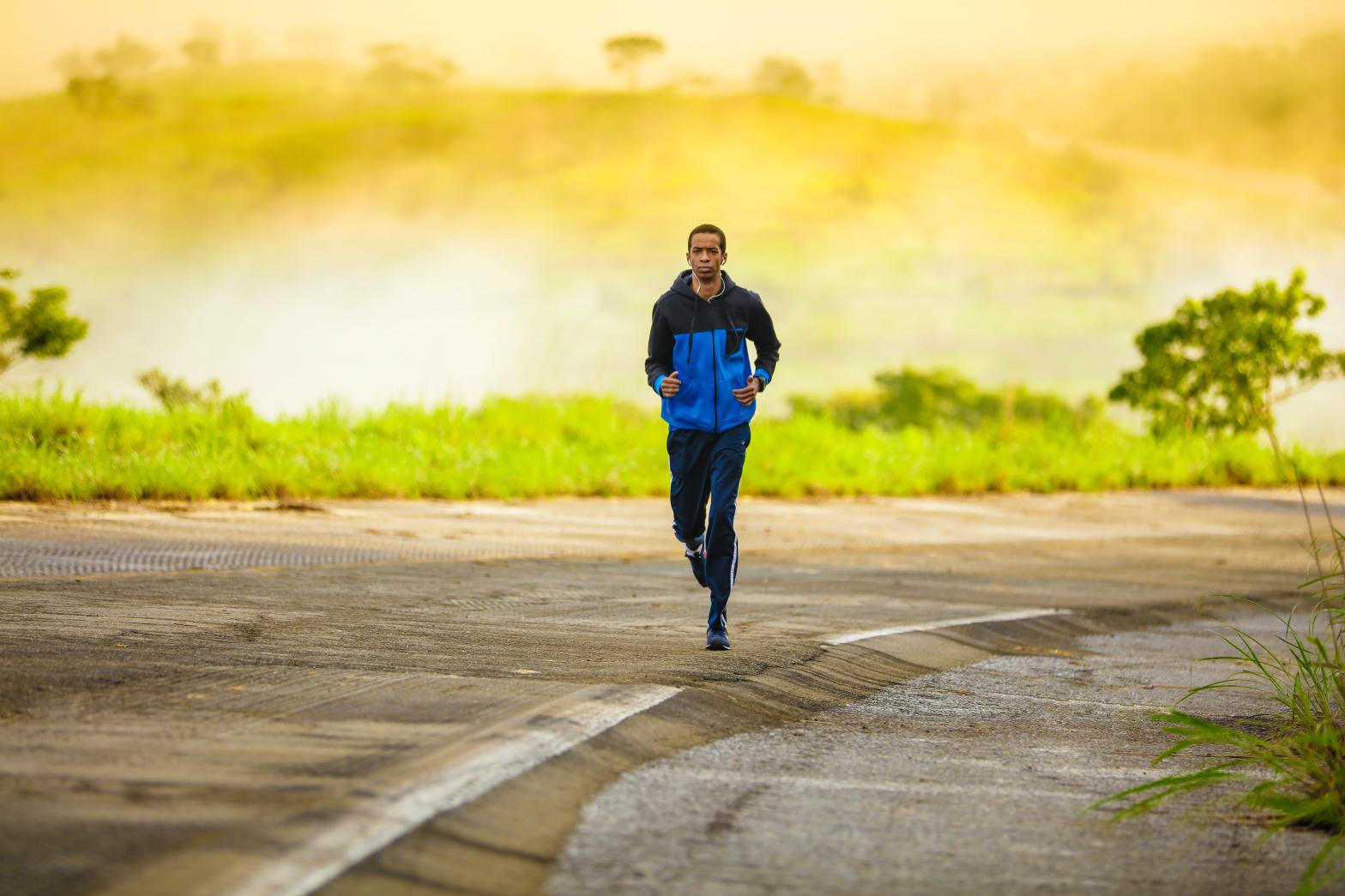
Sleep has been suggested to be the best recovery tool available to increase adaptations from training and improve performance in competition.1 Healthy adults are recommended to get between 7-9 hours of sleep per night. In contrast, aspiring athletes seem to benefit from up to 9-10 hours of sleep to reach their full potential.1 Despite theContinue reading “Optimising Sleep For Athletes”
Does Menstrual Cycle Phase Affect Exercise Performance?

Tokyo 2021 is thought to be the most gender-balanced Olympic Games in history, with 49% of athletes being female. Comparing this to 1984, when just 23% of athletes were female, it is obvious to see that female participation in sport has never been better. 1 Despite this, due to a combination of conflicting evidence andContinue reading “Does Menstrual Cycle Phase Affect Exercise Performance?”
 THE PACE