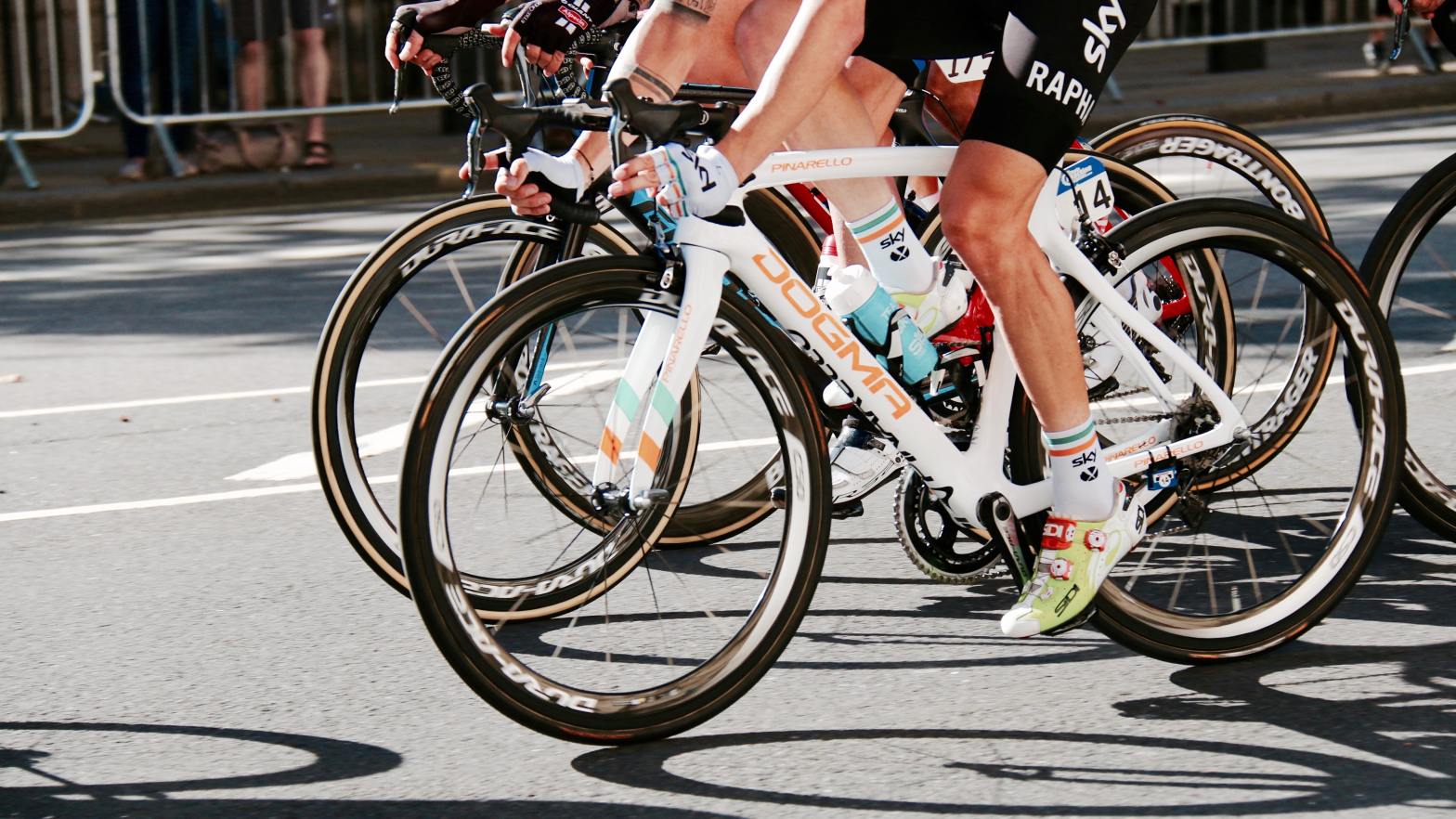
It is widely accepted that the use of carbohydrate (CHO) supplements during prolonged endurance exercise is a highly beneficial method of maximising performance. Carbohydrates in the form of glucose and glycogen are the main substrates that fuel our skeletal muscles while partaking in exercise, so it is vital that stores don’t run dry. If this happens, less efficient methods of generating energy take over and we are forced to slow down. Many endurance athletes will be familiar with this feeling of “hitting the wall”, or “bonking”. In order to avoid CHO depletion, the current article will explore the American College of Sports Medicine (ACSM) recommendations regarding CHO supplementation, as well as discuss whether it may to be possible to train the gut to maximise the use of CHO.
First, I feel that it is important to note that there are no particular guidelines about what form of CHO is most effective, whether it be a gel, drink or solid energy bar. 1 It seems that the form does not influence its effectiveness, therefore personal preference can be used to pick whichever combination of supplements suits you the most to make up your CHO intake goals.
On the other hand, one of the most important factors determining the effects of CHO supplementation is exercise duration.1 A systematic review in 2014 found that of the 61 studies analysed, 82% of them showed CHO supplementation to have positive effects on performance, as well as a positive correlation between exercise duration and the improvement in performance.2 In simpler terms, the longer the session of exercise, the greater the positive effect of CHO supplementation was on performance. For this reason, this article will discuss CHO intake goals for different durations of exercise.
Exercise Lasting Under 1 Hour
When considering CHO supplementation during exercise lasting under an hour, the mechanisms involved are slightly different to that of longer durations. CHO stores in the body are enough to fuel about 90 minutes of exercise, therefore glucose uptake should not be a limiting factor of exercise.3 However, the reason supplementation may still be beneficial is due to neural receptors in the mouth that stimulate reward centres in the brain, and perhaps alter the perceived workload.4 This led to the idea of CHO mouth rinsing, a protocol involving the swishing of a CHO solution around the mouth for a few seconds before expelling it. Another advantage of this method is that it is likely to avoid any additional gut distress due to the fact that the supplement is not ingested.5 If you are interested in further reading about this topic, a previous article discussed CHO mouth rinsing in greater detail.
Exercise Lasting Between 1 – 2.5 Hours
When exercising for longer durations, muscle glycogen stores become depleted and hypoglycaemia can occur.3 If this happens, major detriments to performance could result due to the drop in aerobic capacity, decreased concentration and greater levels of fatigue. 1 Ingesting large quantities of CHO could help counteract this, but how much is required?
The main limitation of exogenous CHO oxidation (i.e., usage of CHO from our diet to generate energy) is the rate at which it is absorbed across the intestinal membrane.6 Glucose is absorbed by sodium-dependant SGLT-1 transporters, but they become saturated at a rate of about 60g per hour.3 This means that any volume above this that has been consumed will not get absorbed in the small intestine and will not increase exogenous CHO oxidation. No differences have been found in CHO absorption between individuals of different body weight or training status, therefore these factors do not need to be taken into account.3,7
Considering this, it makes sense that ACSM recommend ingesting somewhere between 30-60g/hour of CHO, mainly in the form of glucose. It is most effectively consumed at regular intervals (e.g. every 20 minutes) from the onset of exercise as opposed to one large snack 2 hours into the exercise session. These guidelines become even more crucial if exercising in a fasted state, as CHO stores will already be depleted. 1
Exercise Lasting Over 2.5 Hours
As mentioned previously, CHO supplementation has greater beneficial effects on performance when exercising over longer durations, meaning that it becomes even more important to fuel sufficiently to maintain an optimal performance.2 Many studies have investigated the use of multiple transportable CHO as a way of doing this, as it appears to be a way of increasing CHO oxidation during endurance exercise over 2.5 hours.3,5,8 To recall, glucose in the small intestine relies on SGLT-1 transporters to be absorbed, but they are limited at a rate of about 60g/hour, meaning that CHO oxidation cannot increase beyond this. However, it is thought that the addition of fructose (another type of sugar molecule) may be able to bypass this. Fructose uses a different transporter (GLUT5) to cross the intestinal membrane, therefore its absorption is not limited by the quantity of glucose in the small intestine. It is thought that CHO oxidation can increase by ~50%, therefore creating significant improvements in aerobic capacity.3,6,8
Several studies have demonstrated the beneficial effects of using multiple transportable CHO. In one study, trained cyclists exercised on an ergometer for 2 hours at an intensity of 50% of their peak power. During this time, participants consumed of 1 of 4 drinks at regular 15-minute intervals: a maltodextrin-only placebo, or a maltodextrin-fructose mixture with differing concentrations of fructose (to clarify, maltodextrin is a rapidly digested polymer of glucose). After this, a series of 10 maximal sprints were completed and several performance measures were recorded. It was found that ratings of perceived exertion and muscle tiredness were lower with the fructose mixtures during the 2-hour ride. As well as this, there was significantly greater attenuation of the decline in power over the 10 sprints when using the more highly concentrated fructose mixtures, compared to the maltodextrin-only solution.8
Another study analysed trained cyclists while taking part in mountain bike racing (141 minutes), laboratory trials (94-minute high intensity intervals) and 10 maximal sprints. Participants consumed either a fructose-maltodextrin or a glucose-maltodextrin mixture in a 1:2 ratio. The fructose drink significantly reduced the race time by 1.8% and increased mean sprint power by 1.4%. Abdominal cramps were also reduced by 8 points on a 100-point scale. It’s likely that diminished gastrointestinal discomfort explained some of the effect, due to the fact that once it was accounted for, lap time decreased by 1.1%.9
This is just a selection of findings supporting the use of multiple transportable CHO, but we can see that is it likely to help maximise CHO oxidation when taking part in very long races or training sessions. An added benefit of this strategy is that it seems to help prevent some gastrointestinal discomfort, a major issue that is very prevalent amongst endurance athletes.5
Gastrointestinal Discomfort During Endurance Exercise
It has been reported that 30-50% of athletes regularly experience symptoms of gut discomfort such as nausea, bloating, cramping, diarrhoea or vomiting. 6 These unpleasant symptoms can be exacerbated in certain environments such as heat, but also when ingesting very concentrated amounts of CHO. 5 As an example, Pfeiffer et al. 10 reported higher levels of nausea when participants consumed high levels of CHO (90g/hour) versus lower levels (60g/hour).
Blood flow to the gut can decrease by as much as 80% during exercise because digestion is not necessary during the ‘fight or flight’ state we enter when exercising.5 It is believed that this is one of the most significant contributors to gut distress, due to the fact that gut permeability is significantly reduced.11 More specifically to CHO ingestion is the idea that when there is a large amount of residual CHO in the gut (due to exceeding absorption limits), the lumen becomes hyper-osmotic and water retention occurs, leading to diarrhoea.5,6 If you find yourself consuming large volumes of CHO, it may be a good idea to take a few sips of water to prevent these osmotic shifts from occurring.
Training The Gut
From what we have discussed at so far, it seems that exogenous CHO oxidation is limited at a similar rate for most individuals due to the fact that the SGLT-1 transporters become saturated at 60g/hour. But is it possible to increase the number of these transporters?
Studies done on rat models have demonstrated that the amount of CHO in our diet may be able to influence the number and the activity of SGLT-1 transporters. Data has suggested that by increasing dietary CHO from 40% to 70% of total intake the number of SGLT-1 transporters could double over the course of 2 weeks and allow greater CHO oxidation to take place.6
A study by Cox et al.12 investigated 16 endurance cyclists who were split into two groups and either given a high or low CHO energy-matched diet. They undertook a 28-day training period, exercising for 16 hours a week. Before and after the training period, a muscle biopsy was taken, and substrate oxidation was analysed. The findings demonstrated an increase in exogenous CHO oxidation by 16% in the high CHO diet group, but no change in the low CHO diet. Although, the increase in oxidation did not have any effect on the training-induced increase in performance over the 28-day period. Despite this, the paper concluded that this approach may still be beneficial to utilise in endurance sport.
Take Away Points About CHO Supplementation:
- It is clear that the use of CHO supplements can significantly aid endurance performance by preventing substrate depletion.
- The greater the duration of exercise, the more crucial it becomes to ensure that you are sufficiently fuelled.
- CHO mouth rinsing may be beneficial during exercise lasting under an hour.
- CHO oxidation seems to be limited at a rate of 60g/hour due to limitations in the absorption of glucose, so this is an appropriate value to consume.
- If exercising for longer then 2.5 hours, ingesting up to 90g/hour of multiple transportable CHO (e.g. glucose and fructose mixtures) can be useful to improve performance and reduce gut distress.
- A high CHO diet may be useful to increase the number and activity of SGLT-1 transporters and optimise exogenous CHO oxidation.
- Practise new nutritional strategies before a race or event to prevent gastrointestinal symptoms from ruining all that hard work!
References
- Thomas DT, Erdman KA, Burke LM. American College of Sports Medicine Joint Position Statement. Nutrition and Athletic Performance [published correction appears in Med Sci Sports Exerc. 2017 Jan;49(1):222]. Med Sci Sports Exerc. 2016;48(3):543-568. doi:10.1249/MSS.0000000000000852
- Stellingwerff T, Cox GR. Systematic review: Carbohydrate supplementation on exercise performance or capacity of varying durations. Appl Physiol Nutr Metab. 2014;39(9):998-1011. doi:10.1139/apnm-2014-0027
- Jeukendrup A. A step towards personalized sports nutrition: carbohydrate intake during exercise. Sports Med. 2014;44 Suppl 1(Suppl 1):S25-S33. doi:10.1007/s40279-014-0148-z
- Brietzke C, Franco-Alvarenga PE, Coelho-Júnior HJ, Silveira R, Asano RY, Pires FO. Effects of Carbohydrate Mouth Rinse on Cycling Time Trial Performance: A Systematic Review and Meta-Analysis [published correction appears in Sports Med. 2019 Feb 22;:]. Sports Med. 2019;49(1):57‐66. doi:10.1007/s40279-018-1029-7
- de Oliveira EP, Burini RC. Carbohydrate-dependent, exercise-induced gastrointestinal distress. Nutrients. 2014;6(10):4191-4199. Published 2014 Oct 13. doi:10.3390/nu6104191
- Jeukendrup AE. Training the Gut for Athletes. Sports Med. 2017;47(Suppl 1):101-110. doi:10.1007/s40279-017-0690-6
- Jeukendrup AE, Mensink M, Saris WH, Wagenmakers AJ. Exogenous glucose oxidation during exercise in endurance-trained and untrained subjects. J Appl Physiol (1985). 1997;82(3):835-840. doi:10.1152/jappl.1997.82.3.835
- Rowlands DS, Thorburn MS, Thorp RM, Broadbent S, Shi X. Effect of graded fructose coingestion with maltodextrin on exogenous 14C-fructose and 13C-glucose oxidation efficiency and high-intensity cycling performance. J Appl Physiol (1985). 2008;104(6):1709-1719. doi:10.1152/japplphysiol.00878.2007
- Rowlands DS, Swift M, Ros M, Green JG. Composite versus single transportable carbohydrate solution enhances race and laboratory cycling performance. Appl Physiol Nutr Metab. 2012;37(3):425-436. doi:10.1139/h2012-013
- Pfeiffer B, Cotterill A, Grathwohl D, Stellingwerff T, Jeukendrup AE. The effect of carbohydrate gels on gastrointestinal tolerance during a 16-km run. Int J Sport Nutr Exerc Metab. 2009;19(5):485-503. doi:10.1123/ijsnem.19.5.485
- de Oliveira EP, Burini RC, Jeukendrup A. Gastrointestinal complaints during exercise: prevalence, etiology, and nutritional recommendations. Sports Med. 2014;44 Suppl 1(Suppl 1):S79-S85. doi:10.1007/s40279-014-0153-2
- Cox GR, Clark SA, Cox AJ, et al. Daily training with high carbohydrate availability increases exogenous carbohydrate oxidation during endurance cycling. J Appl Physiol (1985). 2010;109(1):126-134. doi:10.1152/japplphysiol.00950.2009
Photo by Simon Connellan on Unsplash
Article updated on May 22nd 2023.
 THE PACE
What a great article!
Great article, I learned a lot!